Research







Search our website
Search our website by entering a keyword or choose a database above to search specifically.
Search
Showing search results 3,241 - 3,250
15,230 results found
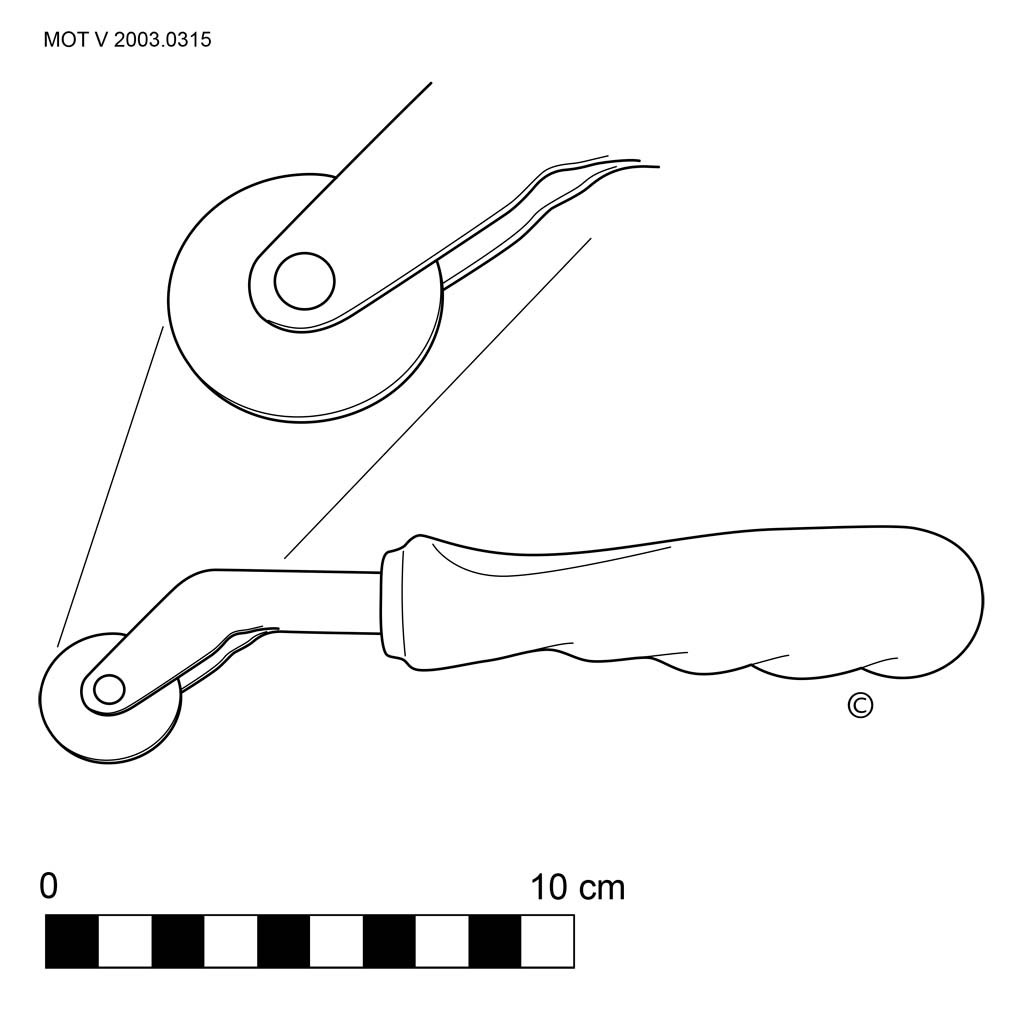
Fillet
This text can only be consulted in Dutch
<https://www.mot.be/resource/Tool/fillet?lang=nl>
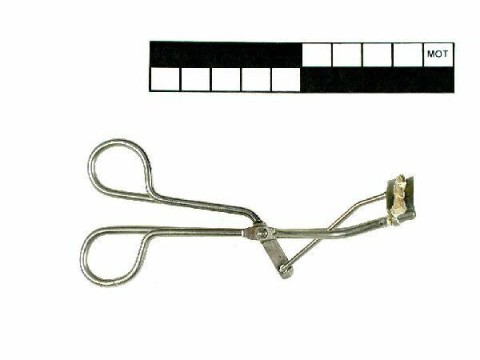
Eyelash curler
This text can only be consulted in Dutch
<https://www.mot.be/resource/Tool/eyelash-curler?lang=nl>
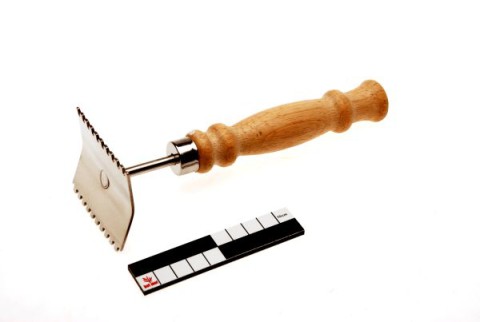
Excluder cleaning tool
This text can only be consulted in Dutch
<https://www.mot.be/resource/Tool/excluder-cleaning-tool?lang=nl>
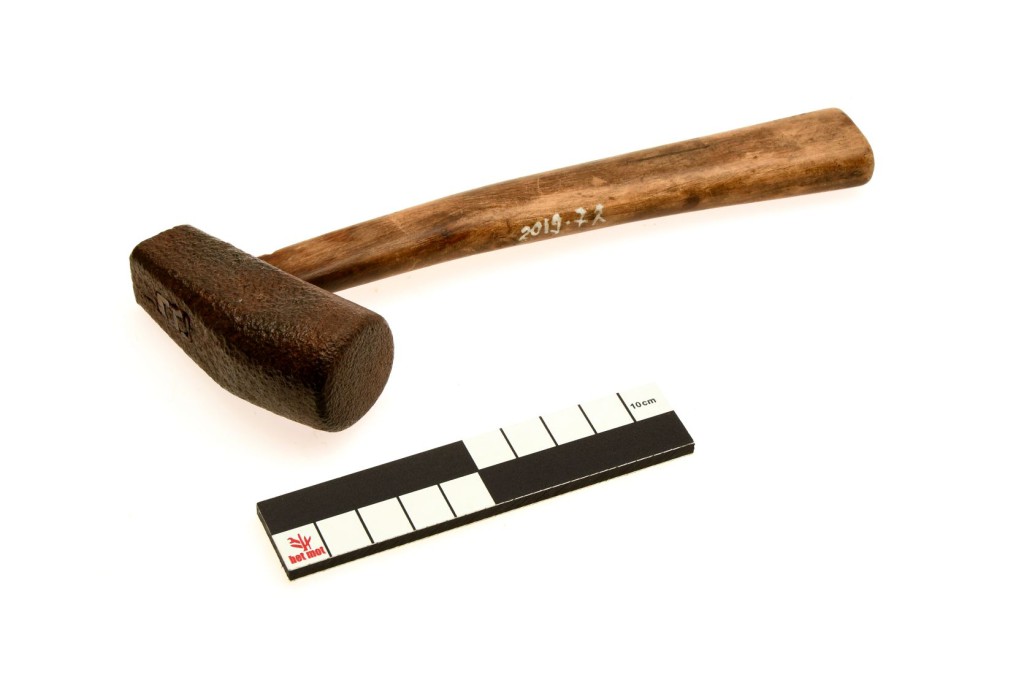
File cutter's hammer
Description under construction... For more information about this tool, see
the dutch version of this file.
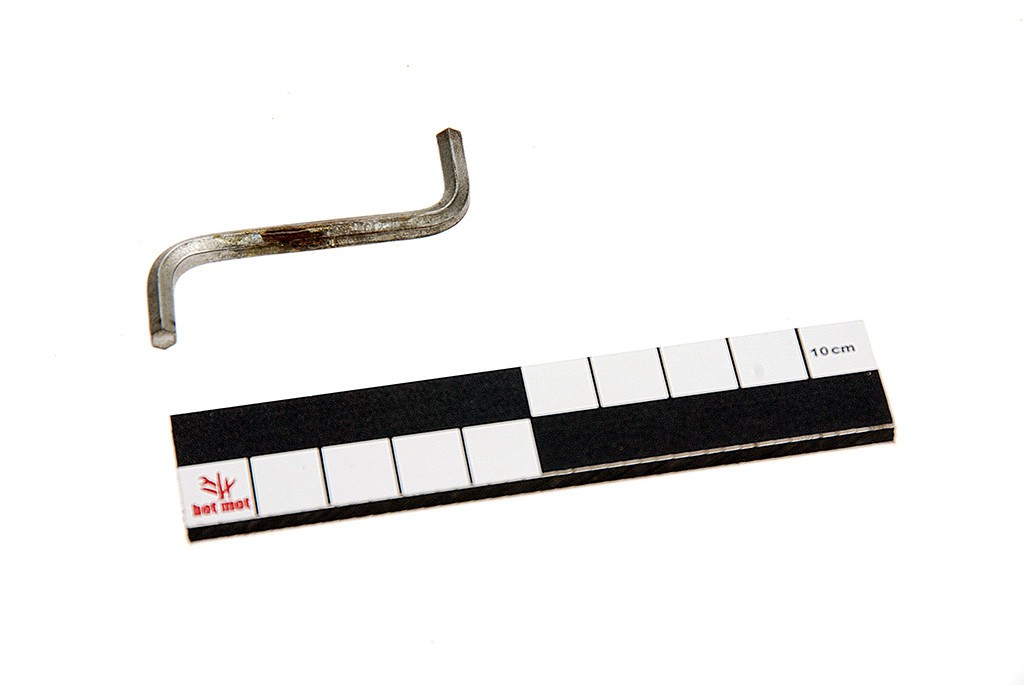
Exagonal key
This text can only be consulted in Dutch
<https://www.mot.be/resource/Tool/exagonal-key?lang=nl>
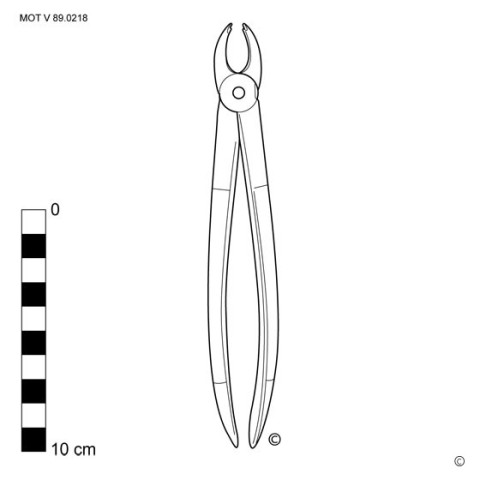
Extracting forceps
The dentist has a set - a minimum of ten - of forceps to extract the teeth.
The direction of the mouth, its opening width and the shape of the jaws are
each adapted to specific teeth. There are pliers for the upper and for the
lower teeth, for the left and for the right teeth, for the incisors and
canines, for the molars and for the wisdom teeth. [MOT]
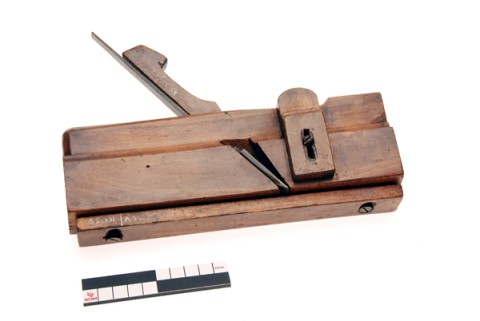
Fillister plane
This text can only be consulted in Dutch
<https://www.mot.be/resource/Tool/fillister-plane?lang=nl>
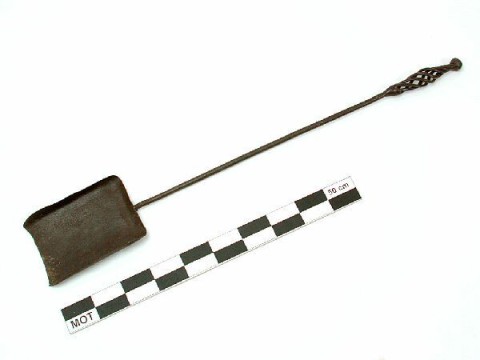
Fire shovel (blacksmith)
The fire shovel is an iron shovel (length approx. 75 cm; width approx. 12
cm) with usually a flat blade and iron handle, with which the blacksmith
brings the coals together and covers the piece to be heated. Often the
handle is open. See also the ash shovel and fire shovel (stoker). [MOT]
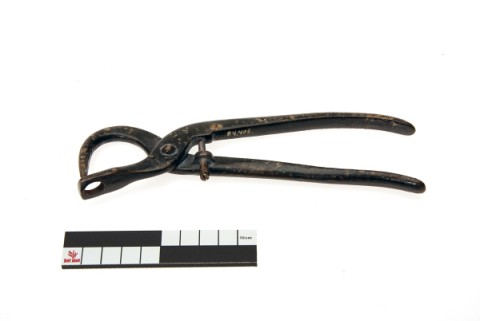
Eyelet extractor
This text can only be consulted in Dutch
<https://www.mot.be/resource/Tool/eyelet-extractor?lang=nl>
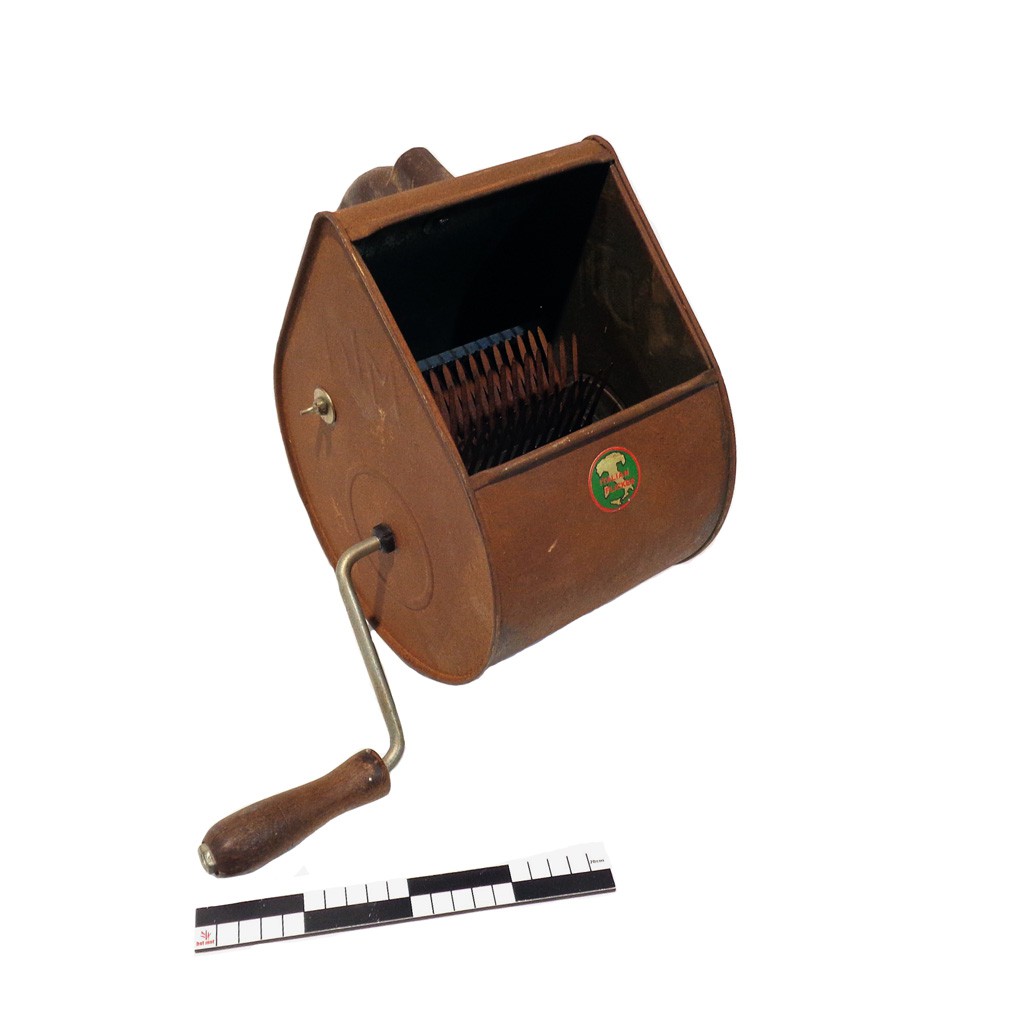
Flicker machine
This text can only be consulted in Dutch
<https://www.mot.be/resource/Tool/flicker-machine?lang=nl>