Research






Search our website
Search our website by entering a keyword or choose a database above to search specifically.
Search
Showing search results 3,001 - 3,010
15,233 results found
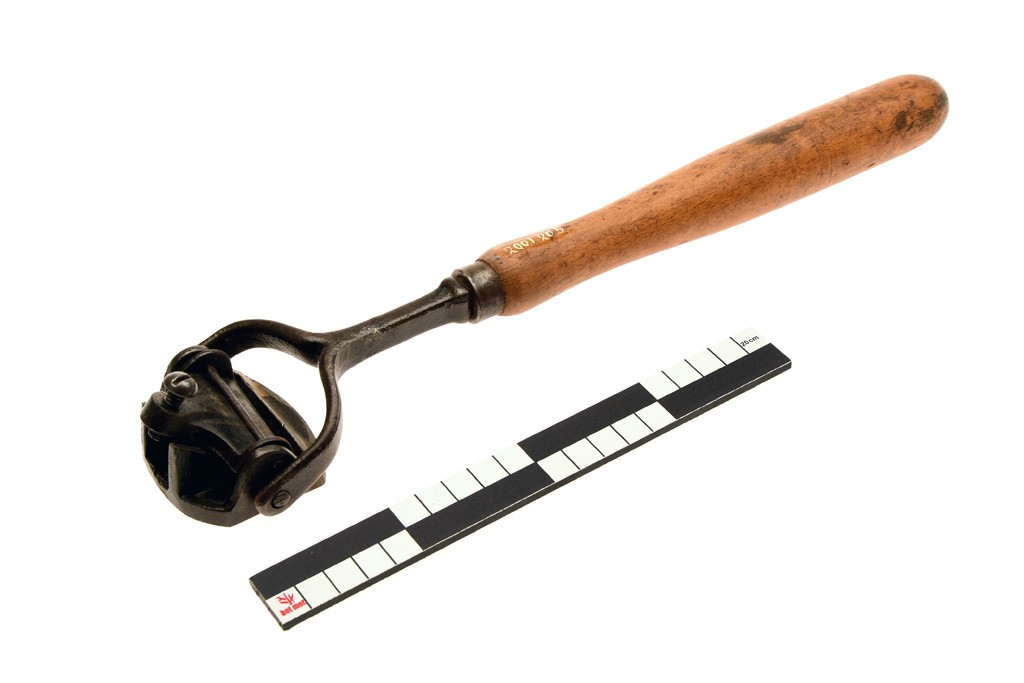
Box scraper
This text can only be consulted in Dutch
<https://www.mot.be/resource/Tool/box-scraper?lang=nl>
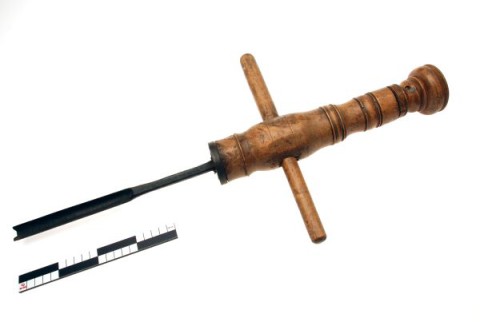
Breast auger
This text can only be consulted in Dutch
<https://www.mot.be/resource/Tool/breast-auger?lang=nl>
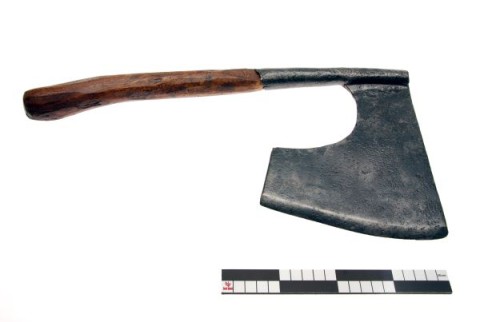
Broad axe
The broad axe is used for squaring logs and heavy pieces of wood by hewing.
It is also sometimes used to peel a tree. This axe weighs approximately
1.5-3.5 kg and is characterized by a wide blade (up to 40 cm) with one
bevel. The stem is 25-40 cm long and is held with one or both hands. The
trunk is first smeared (see chalk line) to indicate the shape to be
obtained. If little wood has to be removed, the carpenter immediately
proceeds to work with the broad axe; he stands next to the trunk and thus
cuts in the direction of the fibers. If the sapwood is too thick, he chops
notches in it with the felling axe (1) to about 0.5-1 cm from the line; the
distance between the notches (90-180 cm) (2) depends on the type of wood
and also on the piece (straight fibers or not). The wood between the
notches is then cut away with the felling axe. The rough surface is cut
evenly against the line with the broad axe. The broad axe is the iconic
tool of the (ship) carpenter. The tool can be distinguished...
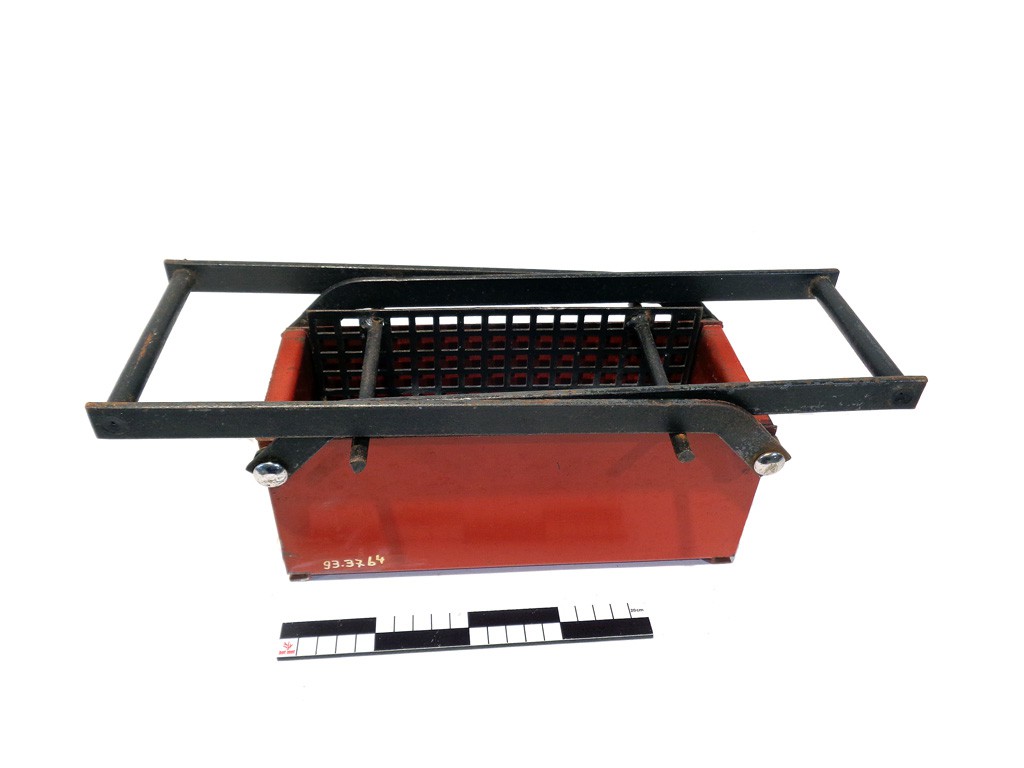
Briquette press
The briquette press is a pair of tongs to compress paper pulp into
rectangular briquettes, which serve as fuel for the fire. Domestic models
consist of a rectangular iron container, which is filled with cut paper and
cardboard, which has been soaked in water. A matching iron grid is placed
on it and pressed firmly by pressing a lever of two side brackets together.
Once the briquette has been formed, it can be pushed out by hand from the
bottom. According to the same principle, there are also presses to compress
sawdust and wood chips, for example. [MOT]
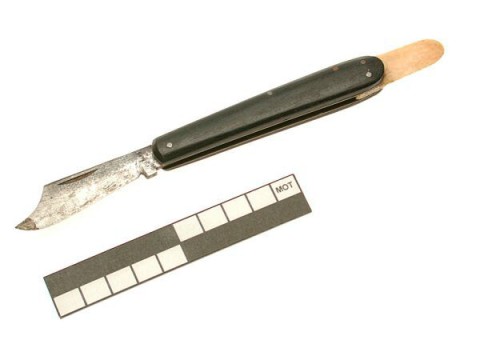
Budding knife
This text can only be consulted in Dutch
<https://www.mot.be/resource/Tool/budding-knife?lang=nl>
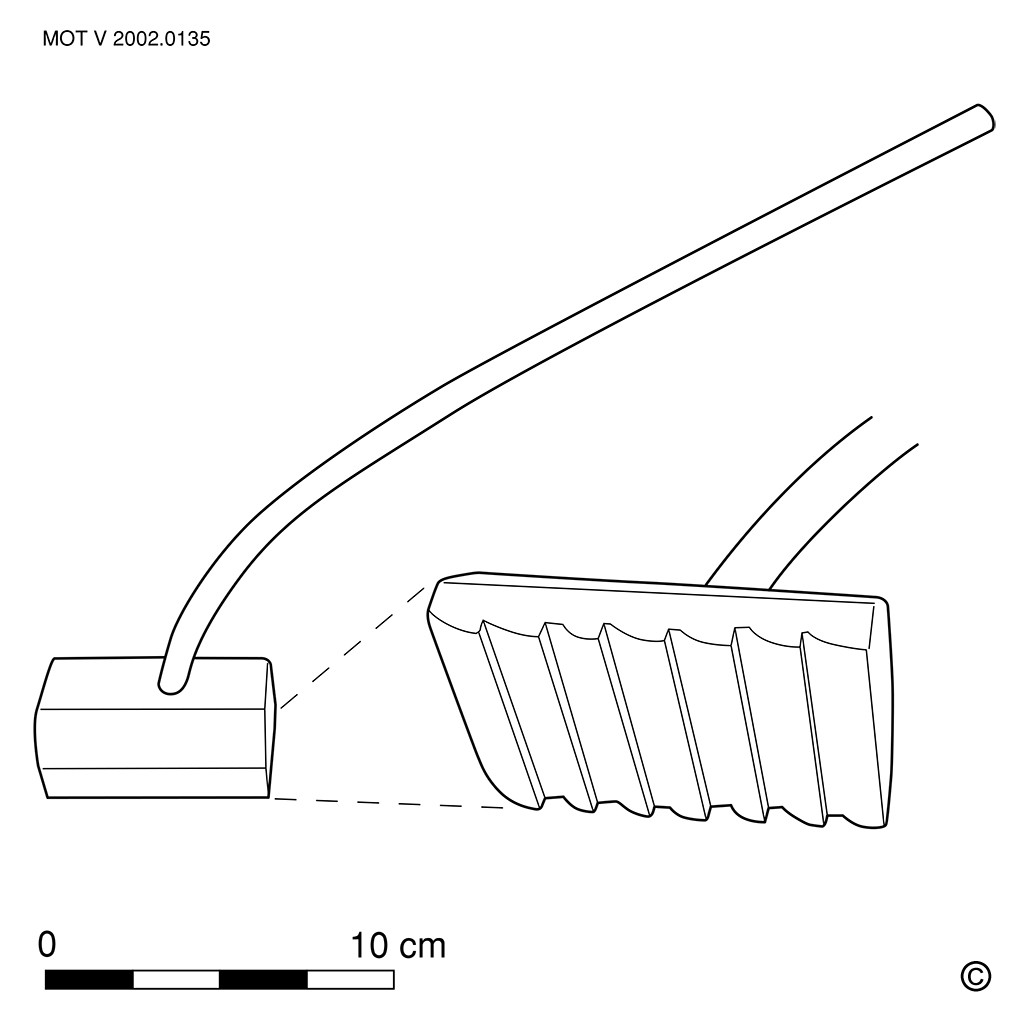
Bruising mail
This text can only be consulted in Dutch
<https://www.mot.be/resource/Tool/bruising-mail?lang=nl>
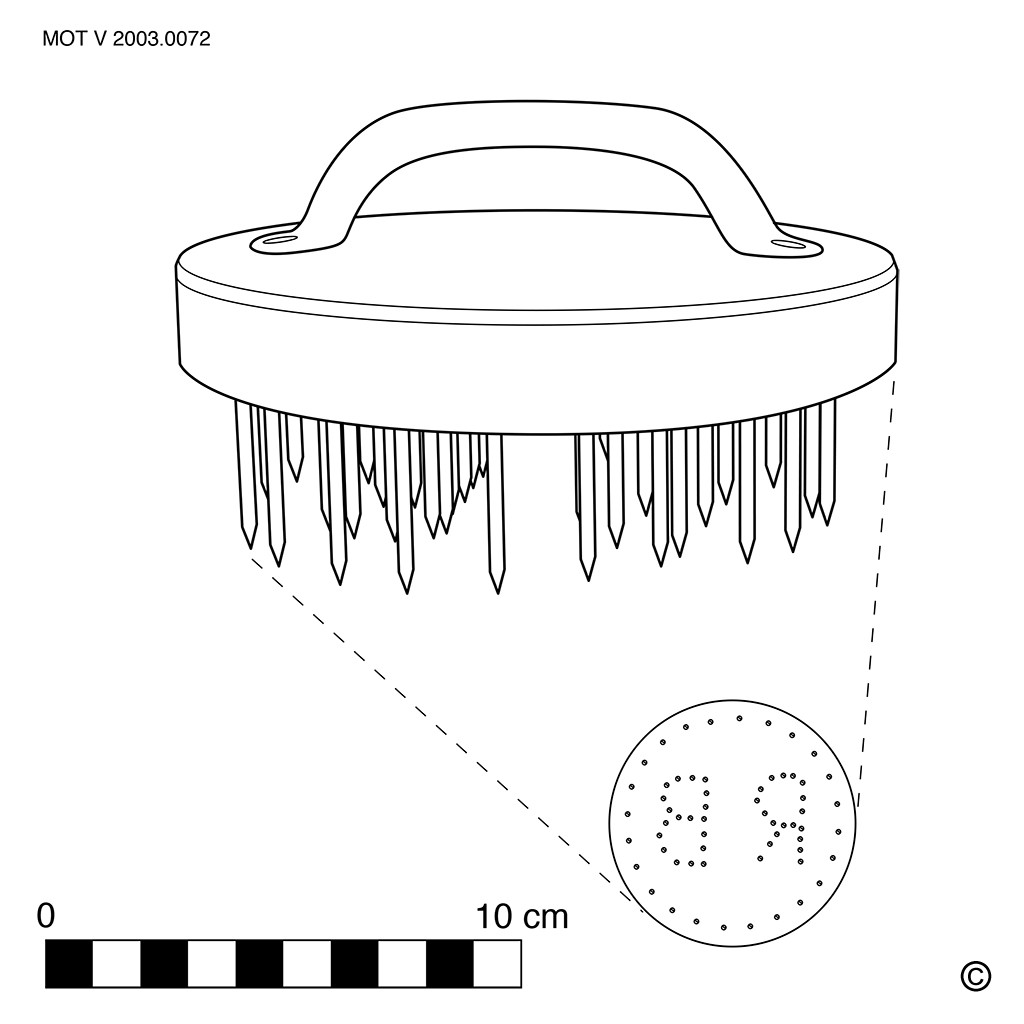
Bread stamp
This text can only be consulted in Dutch
<https://www.mot.be/resource/Tool/bread-stamp?lang=nl>
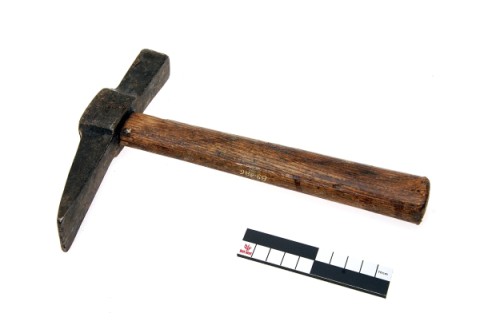
Brick hammer
This text can only be consulted in Dutch
<https://www.mot.be/resource/Tool/brick-hammer?lang=nl>
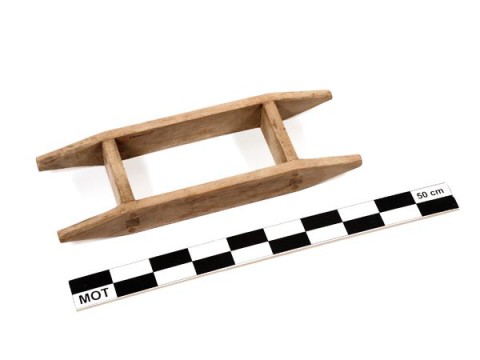
Brick mould
This text can only be consulted in Dutch
<https://www.mot.be/resource/Tool/brick-mould?lang=nl>
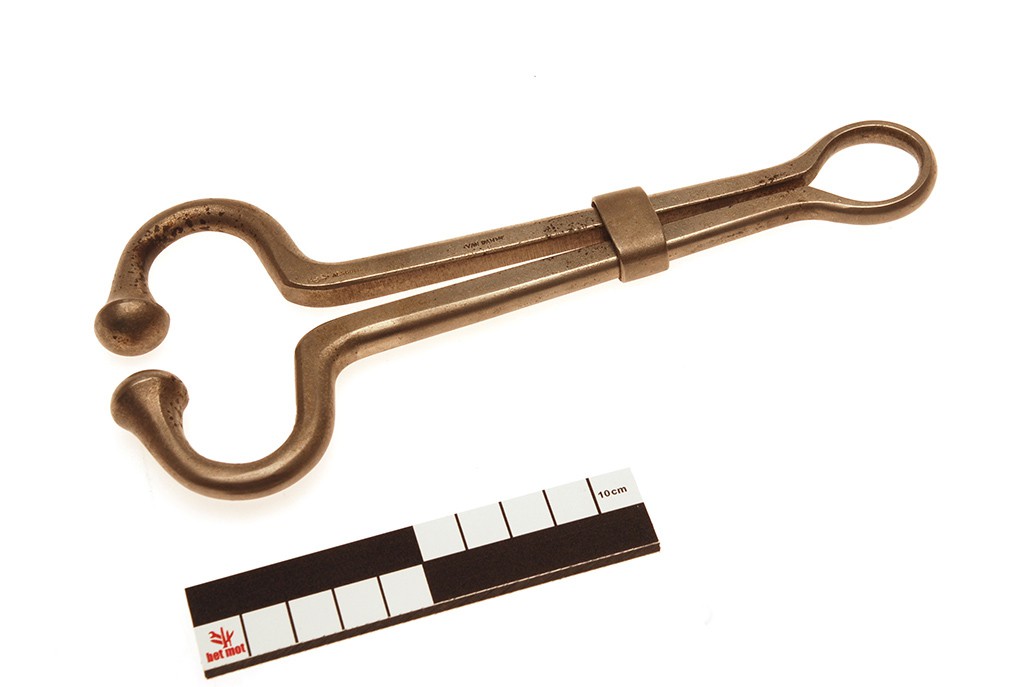
Bull holder
When a bull is not ringed, the farmer can keep it under control with the
help of a bull holder. He places the pliers on the septum in the nose and
closes the arms. The bull must hold its head still so as not to be in pain.
The jaws of a nose clipper are wide and round. They end in two spheres so
as not to hurt the septum. The pincers can consist of two levers of the
first type (e.g. MOT V 91.0677) with the arms usually ending in an eye, so
that the farmer can attach a rope or a bull leader. The bull holder can
also consist of two levers of the third kind whereby a ring slides over the
arms to close the jaws (e.g. MOT V 83.0399). Sometimes that ring is
combined with a leaf spring (e.g. MOT V Dv 0011) or replaced by a coil
spring (e.g. MOT V 96.0283). In a specific model, the distance between the
jaws of the pliers is controlled by an adjusting screw (e.g. MOT V
91.0679). See also the bull leader. [MOT]