Research








Search our website
Search our website by entering a keyword or choose a database above to search specifically.
Search
Showing search results 3,301 - 3,310
15,230 results found
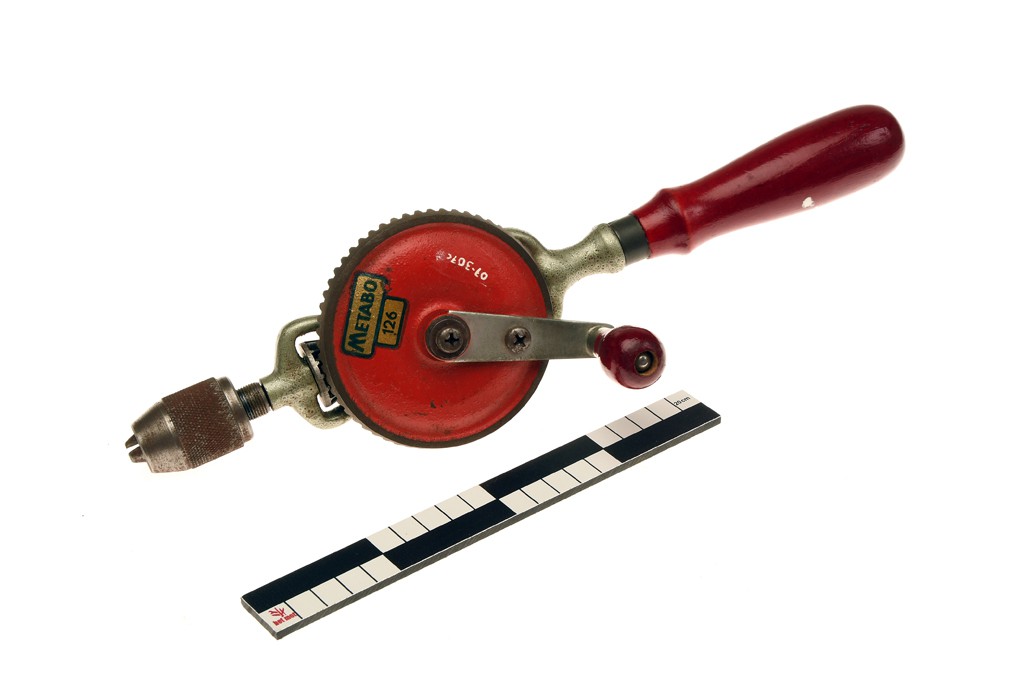
Hand drill
This text can only be consulted in Dutch
<https://www.mot.be/resource/Tool/hand-drill?lang=nl>
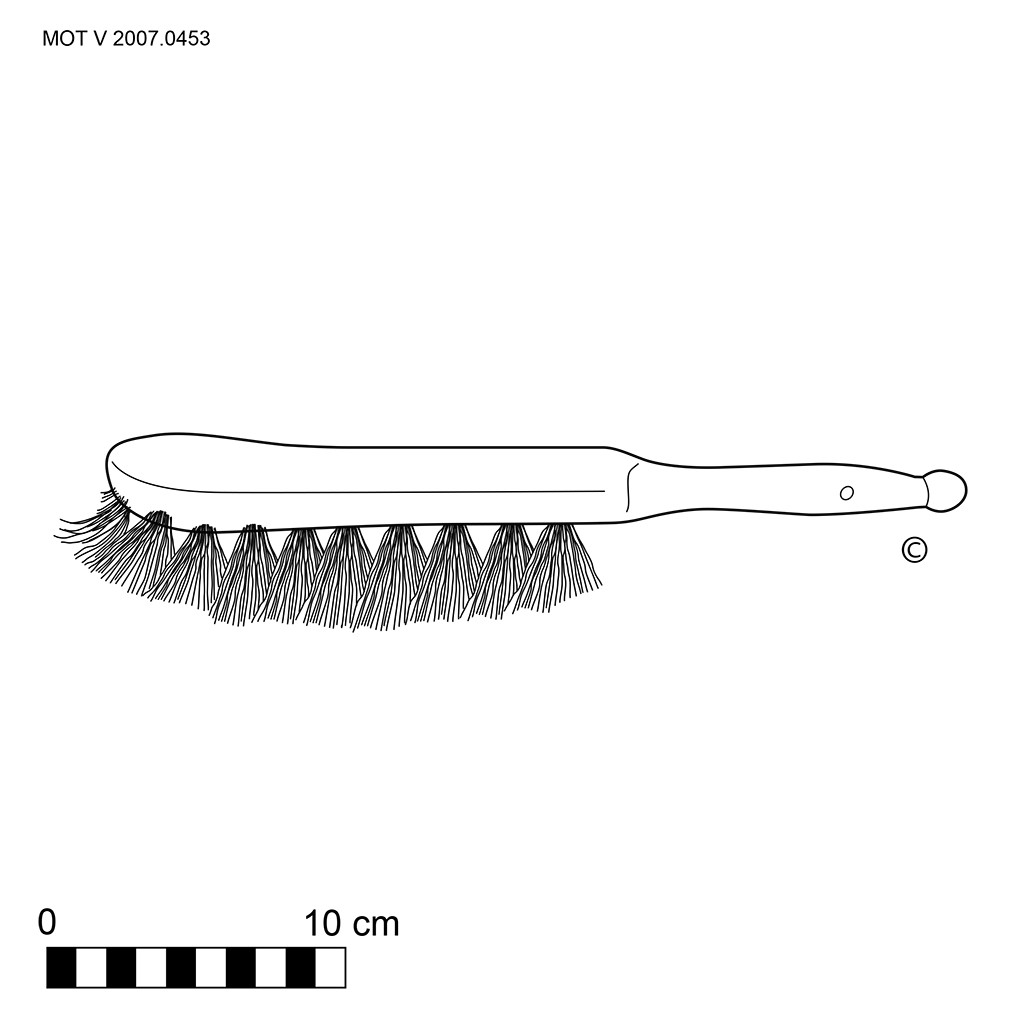
Hand brush
This text can only be consulted in Dutch
<https://www.mot.be/resource/Tool/hand-brush?lang=nl>
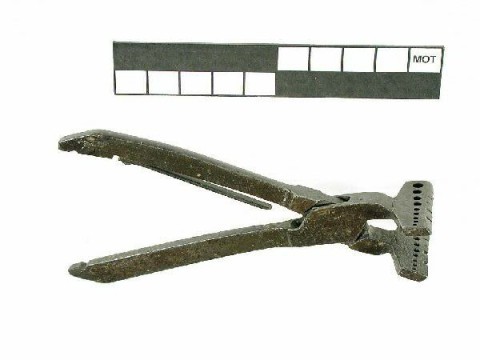
Hand pincers
This text can only be consulted in Dutch
<https://www.mot.be/resource/Tool/hand-pincers?lang=nl>
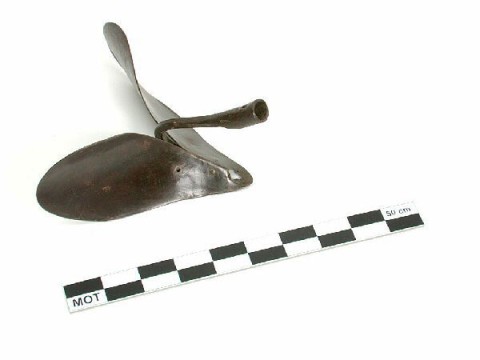
Hand ridger
This text can only be consulted in Dutch
<https://www.mot.be/resource/Tool/hand-ridger?lang=nl>
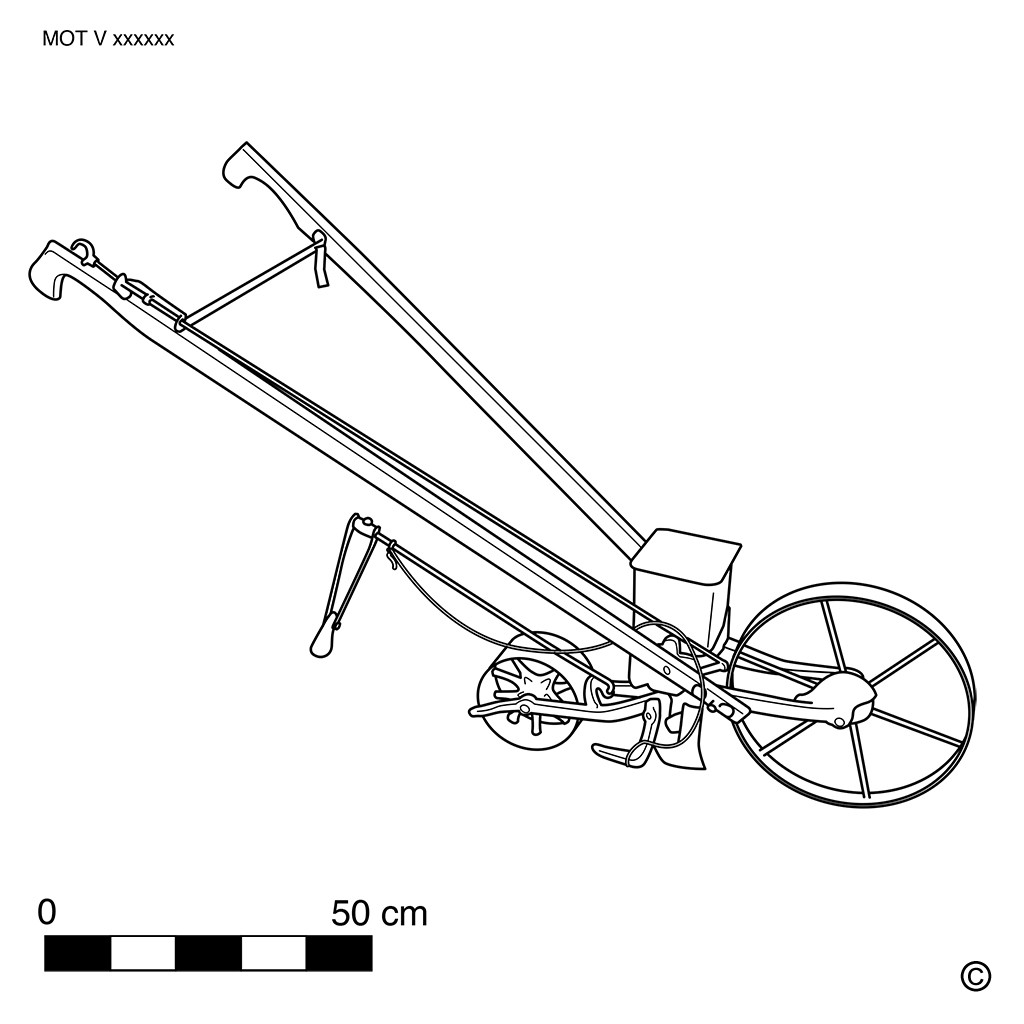
Hand seed drill
This text can only be consulted in Dutch
<https://www.mot.be/resource/Tool/hand-seed-drill?lang=nl>
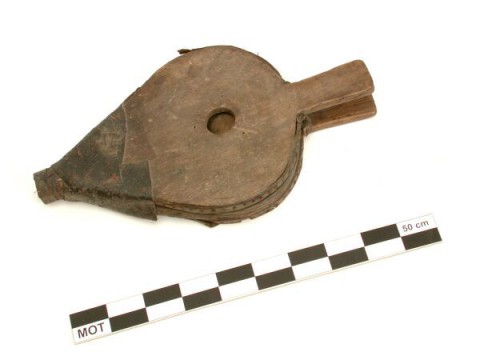
Hand bellows
This text can only be consulted in Dutch
<https://www.mot.be/resource/Tool/hand-bellows?lang=nl>
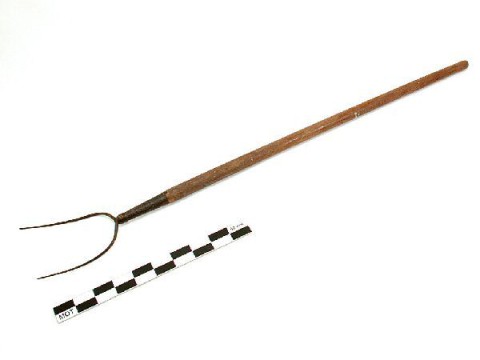
Hay fork / bundle fork
The hay fork is a fork with 2 to 3 - sometimes four - round or square,
pointed, slightly curved, iron or steel tines (approx. 15-30 cm; spacing:
approx. 7-20 cm), which have a straight wooden handle of varying length
(approx. 100-300 cm). Sometimes it is also a monoxil fork-shaped branch
(1). The farmer prefers a steel hay fork with two tines, to put the sheaves
on the cart at harvest time or to stick it from the cart in the attic. The
one with three teeth or the wooden bundle fork is often used to turn the
hay (see also the hay rake). There is also a double model with a row of 3
tines at the bottom and a row of 2 tines at the top to collect the hay into
bales. [MOT] (1) Eg. ROBERT: 8-20.
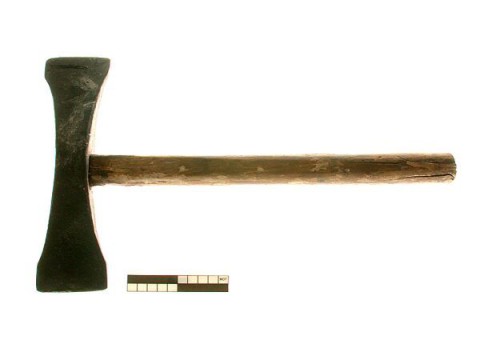
Stone-dressing axe
Axe-shaped tool with one, usually two axe-shaped, straight cutting edges
that are in the same plane as the handle (approx. 40-60 cm), for working
natural stone. The cutting edge has an angle between 10 ° - for working
soft stone types - and 40 ° for hard stone types. The stonemason uses this
dressing axe mainly to remove the excess material from soft stones. It is
also used to flatten natural stone after it has been roughly worked with
the stone-dressing pick or the pointed chisel, as well as in finishing to
give the stone a ribbed appearance (see also charring chisel). [MOT]
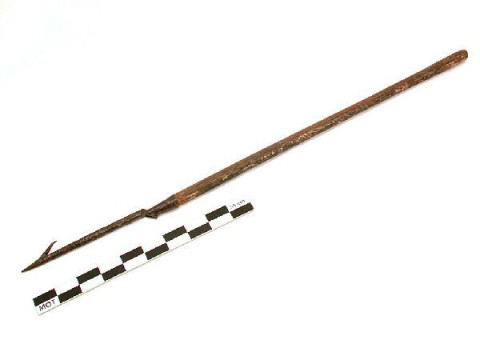
Hay thief
The hay thief is used to pull a tuft of hay from the interior of a haystack
or the hayloft. That sample can then be examined for condition and quality.
After all, it is important to check whether the hay inside is dry, both for
the nutritional value and for safety (self-ignition). The hay thief usually
consists (1) of an iron rod (approx. 30 cm) ending in a point and fitted
with a barb with a slightly curved point at approx. 5 cm from the end (2).
The straight wooden stem measures approx. 80 cm. Sometimes the tool is made
entirely of iron and the rod ends in an eye (3). [MOT] (1) According to
DAVID 1973: 25 there are also completely wooden hay hooks. (2) SELLENS: 233
states that a hay thief can count two or more hooks. (3) Eg. DEVLIEGHER:
82.
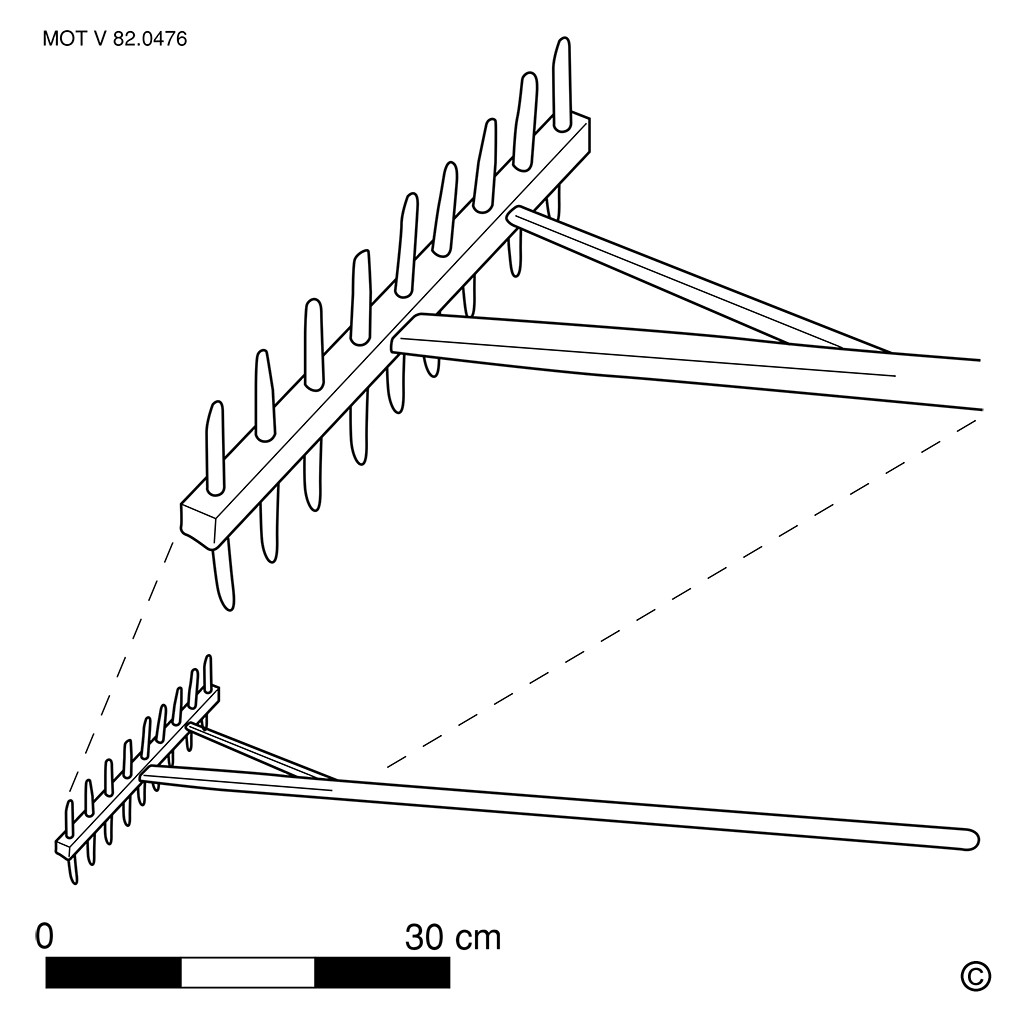
Hay rake
This text can only be consulted in Dutch
<https://www.mot.be/resource/Tool/hay-rake?lang=nl>